
Post-Traumatic Stress Disorder (PTSD) is a disorder that develops following a traumatic event or chain of events in a person’s life. It can happen to anyone, regardless of age, culture, ethnicity, or nationality. In fact, one in every 11 people will be diagnosed with PTSD during their lifetime.
If you are a heterosexual woman or LGBTQIAA+, you are twice as likely as heterosexual men to experience PTSD.
Of course, there are many other situations which can cause you to feel the ongoing fear and disruption of daily life that are hallmarks of PTSD.

While symptoms of PTSD typically occur within a few months of the triggering event, they can also show up years later. If your symptoms last over a month and interfere with your quality of life, including relationships and work, you may have PTSD.

These symptoms can affect your daily routine immediately or over time, reducing quality of life.
Again, these symptoms can cause your daily routine to change. For example, a person involved in a car accident may avoid any activities that require being in or near automobiles.
Experiencing these symptoms may make it difficult to perform even simple daily tasks such as eating or concentrating on work. They may adversely affect relationships.
These symptoms can make you feel alone, isolated, or alienated from your support system of friends and family.

Each person — and their trauma(s) — is unique. My approach to PTSD begins with understanding you as a whole person. Together, we will collaborate on a treatment plan that will take into consideration your cultural, religious, or sexual background if you choose so we can meet your needs and help you achieve your mental health goals.
To make our sessions more productive, I provide a safe and comfortable environment in which we can work and give you choices and control as we create a plan for recovery.
For those with religious or culture-based trauma, I can provide the culturally sensitive perspective, guidance, and support necessary to relieve and resolve traumatic stress. For the LGBTQIAA+ community, I provide a sex-positive, gender-inclusive environment in which acceptance and reinforcement of value is key.
Because one size does not fit all when it comes to therapy, I have several modalities available to help ease the transition as we work through your trauma. These range from talk therapy and bodywork to expressive arts or even a combination of all. Sessions can be individual, include a partner, or encompass the whole family — you may choose which fits your comfort level the best.
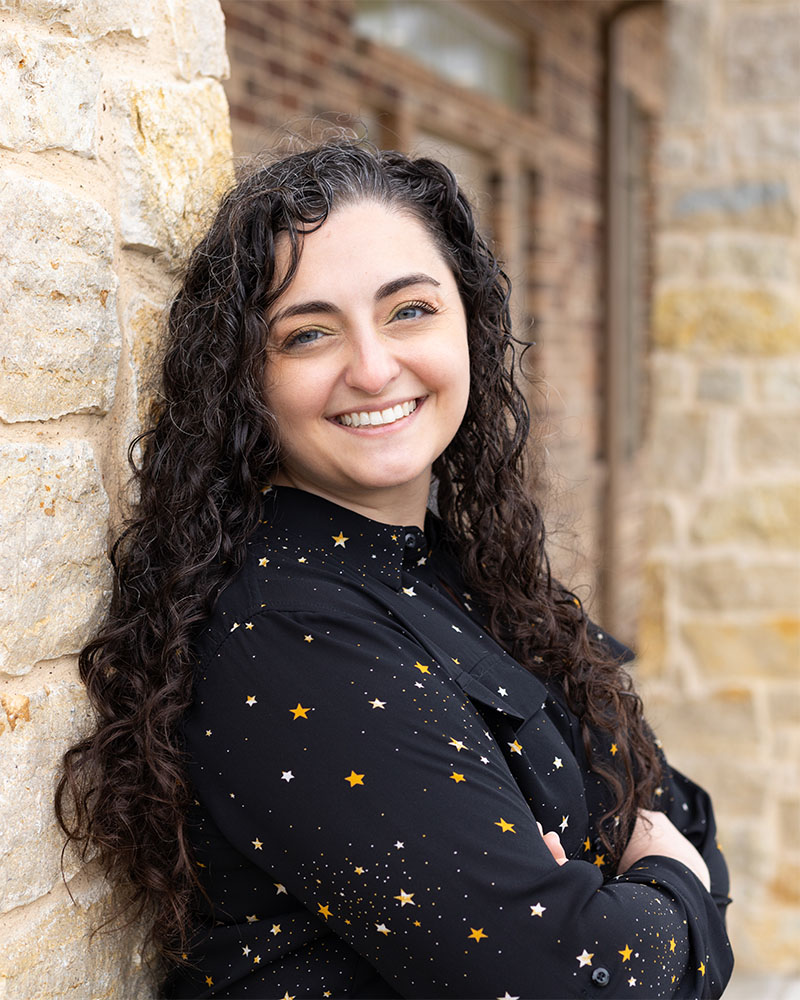
Sandra is a Licensed Marriage and Family Therapist in the state of Texas and founder of Instilling Hope Counseling Services. With a Bachelor of Arts in Spanish and Arabic Literature from The University of Texas at Austin and her Master of Science in Counseling from Southern Methodist University, Sandra sees individuals ages 13 and up, couples, and families.
As a therapist, Sandra's personal goal is to help eliminate the negative stigma that surrounds mental health and to encourage inclusivity and positivity across a wide range of personal relationship choices.